

Major infrastructure projects can cost hundreds of millions, or even billions, of dollars. Rather than paying the full cost upfront, the San Francisco Public Utilities Commission (SFPUC) borrows money by issuing municipal bonds, which are purchased by investors, and repays that money over time. This allows the SFPUC to make needed upgrades now without a large, upfront increase in customer bills. Spreading the cost over time also means today's ratepayers don't bear the full cost of infrastructure that will serve customers for decades.
As a not-for-profit public utility, the SFPUC also works to keep borrowing costs low. The interest investors earn on municipal bonds is generally exempt from federal and state income taxes, making the bonds attractive to investors. Investors and credit rating agencies look at how much the SFPUC borrows and its ability to repay that debt. But those numbers tell only part of the story. Infrastructure investments can also prevent costly failures, improve service and reduce future climate, operational, and regulatory risks.
SFPUC Impact Report
A new SFPUC Impact Report is designed to make that value clearer. The report expands on the SFPUC’s previous Green Bond Report, which focused largely on projects financed through green bonds. The new report provides a broader look at investments across the Water, Power and Wastewater enterprises, including projects funded through bonds, rates, and other sources.

While the SFPUC has long been recognized as a leader in sustainability and was an early adopter of green bonds, the report demonstrates how those investments strengthen essential services while reducing long-term risks.
"We wanted to give investors and rating agencies a more complete picture of what our capital investments accomplish," said Nikolai J. Sklaroff, the SFPUC's Capital Finance Director, who led development of the inaugural Impact Report. "These projects may increase the total amount of money we borrow now, but our commitments also reduce risks, strengthen our infrastructure, and help avoid greater costs in the future."
The Impact Report comes as the SFPUC received positive news from two major credit rating agencies. Earlier this year, Moody's upgraded CleanPowerSF's credit rating from A2 to A1 with a stable outlook. More recently, S&P affirmed the Wastewater Enterprise's AA credit rating and restored its outlook to stable. Strong credit ratings allow the SFPUC to borrow at more favorable interest rates. Over the life of the agency’s multibillion-dollar capital program, lower borrowing costs can save millions of dollars and reduce the amount customers ultimately have to pay to finance essential infrastructure.
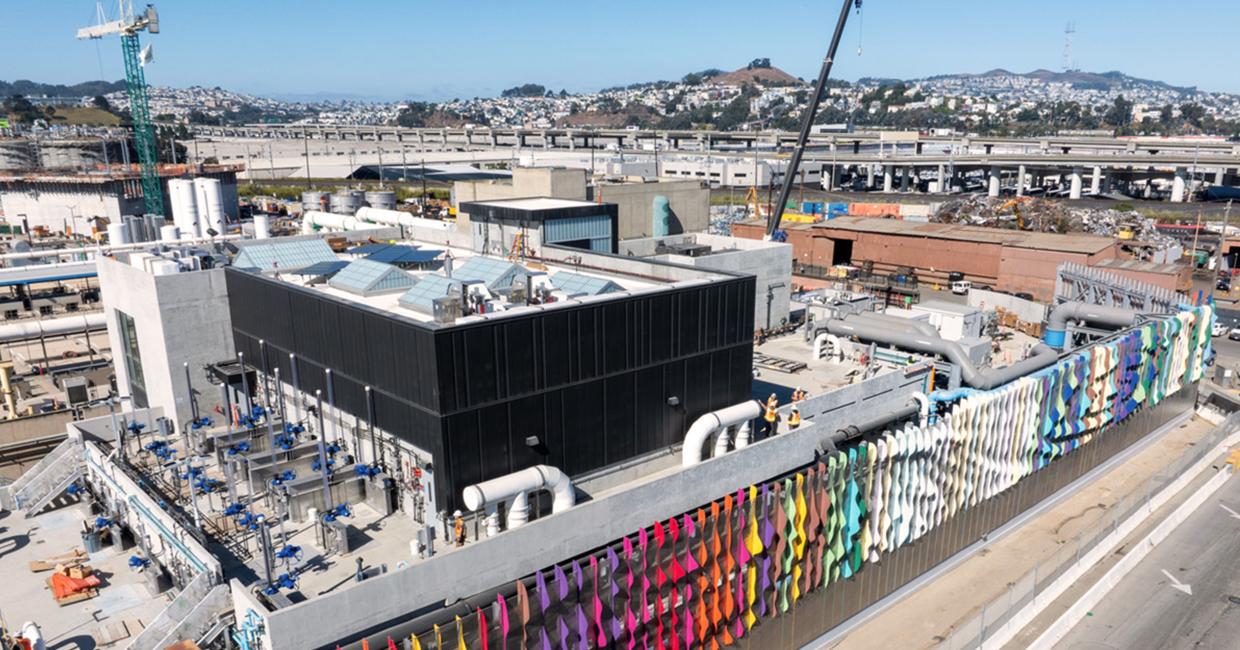
Whether it's strengthening infrastructure against sea level rise or transforming the Southeast Treatment Plant into a resource recovery facility, these investments reflect the SFPUC's longstanding commitment to climate resilience and building infrastructure that will benefit customers, communities and the environment for decades to come.