

At the San Francisco Public Utilities Commission (SFPUC), staying calm under pressure is part of the job description. So, when a sudden break in the Calaveras Reservoir pipeline earlier this year threatened to impact customers and turn into a lengthy delay, the SFPUC's fast-acting operations team in Sunol was ready and sprang into action. Thanks to their preparedness and a diesel pump at the ready, the SFPUC continued to provide water without disruption to its wholesale customers and the pipeline was repaired in a record 12 days.
For the past five winters, the SFPUC has taken the Hetch Hetchy water supply offline for construction on the Mountain Tunnel. During these shutdowns, the SFPUC relies solely on the Bay Area reservoirs for water supply. The SFPUC's largest local reservoir is Calaveras Reservoir. Water from Calaveras and the nearby San Antonio Reservoirs flow into the Sunol Valley Water Treatment Plant for treatment before entering the regional water system to customers.
Moving From “High Alert” to an “All Clear”
During this year’s shutdown, January 30 began like any ordinary day until 8:30 a.m., when the SFPUC's water treatment operators in Sunol learned of a major break in a 66-inch diameter pipeline transporting water from the Calaveras Reservoir. This required operators to immediately shut off supply from the reservoir. Water Supply and Treatment crews worked quickly to access water from San Antonio Reservoir, an operation that requires the use of the San Antonio Pump Station to move that water.
The SFPUC also has agreements to connect the water supply network with nearby regional partners through two interties – or connections – in the event a local water supply is compromised. Water Supply and Treatment teams jumped on the phone with these partners – East Bay Municipal Utility District, the City of Hayward, and Valley Water – to activate these two interties as quickly as possible. These cooperative pacts are part of the agency's resiliency planning and come in handy in an emergency such as the pipeline break on January 30.
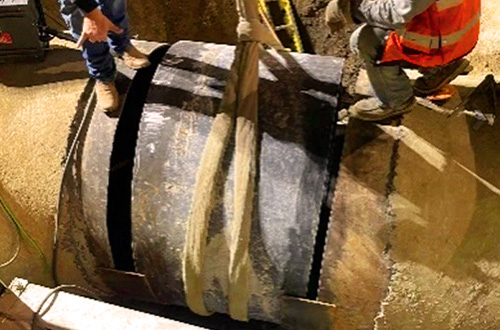
Meanwhile, because of the ongoing ozonation construction project at the Sunol Valley Water Treatment Plant, general contractor J.F. Shea was already on-site and could help with investigating the pipeline failure. Using the available construction equipment and materials, the crew quickly excavated the area and discovered that a broken valve had inadvertently closed, which ultimately resulted in the pipeline rupture. J.F. Shea’s assistance in replacing the valve and repairing the pipe was critical. Instead of taking weeks or even months to excavate and procure the necessary materials and construction support, the Calaveras pipeline was restored and returned to service in just 12 days.
SFPUC Staff: Prepared for Any Emergency
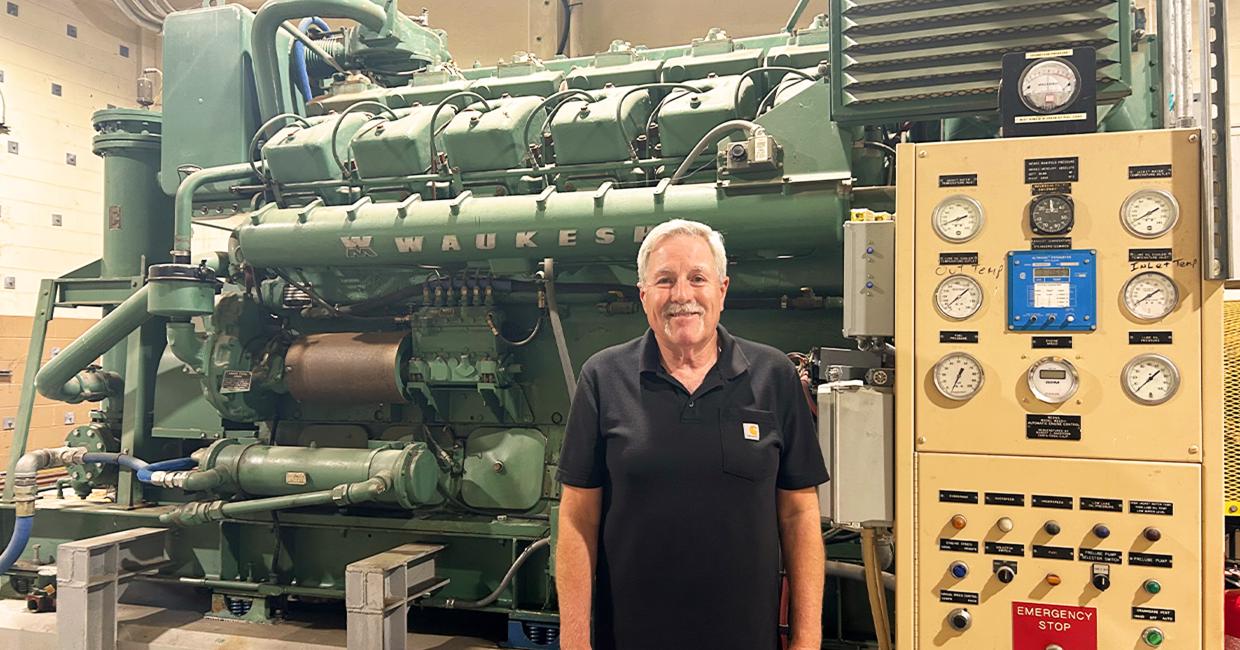
Among the many people who participated in keeping the water flowing to SFPUC customers was Frank Calvo, a Senior Water Treatment Operator and 45-year SFPUC veteran. Frank is an expert in operations in the SFPUC's various East Bay facilities, and in particular, the San Antonio Pump Station. He has been quietly maintaining the diesel pumps in anticipation of crisis situations such as this, when electrical pumps are not available. The day of the pipeline break, he swiftly fired up a 60-year-old backup diesel pump, which was crucial to bringing online the essential San Antonio Reservoir supply.
According to WST Division Manager Ryan Gabriel, “Frank’s knowledge and rapid response is a great example of the dedication, skill, and institutional knowledge we rely on in an emergency situation such as this. Thanks to our SFPUC staff and our contractor, we were able to seamlessly move from response to resolution.”