

Algal Toxins
Quick SummaryBlue-green algae live in open water like lakes, streams, and oceans. They are sometimes called cyanobacteria. They produce a substance called algal toxin or cyanotoxin. A toxin is something that can make a person very sick. A small amount of algal toxin is normal and does not cause harm. Sometimes they can grow very fast and create an algal bloom. This can happen if there is a lot of sunlight, or if it's very warm or if a lot more of what they feed on gets into the water. The SFPUC regularly checks how much blue-green algae are in our lakes. We are careful to stop an algal bloom from getting into the drinking water supply. You can learn more about algal toxins on this webpage. |
WHAT ARE ALGAL TOXINS?
Algal toxins, aka cyanotoxins, are a group of naturally occurring, organic compounds produced by cyanobacteria, also called blue-green algae. Blue-green algae are photosynthetic bacteria that are present in low levels in fresh and marine waters. While low levels of blue-green algae are normal, excessive cyanobacteria growth can occur during certain environmental conditions, such as, high nutrient loads, significant sunlight, and warm temperatures. The most commonly detected algal toxins in California are microcystins and anatoxin-a.
HOW IS ONE EXPOSED TO ALGAL TOXINS?
Exposure to algal toxins mainly occurs from ingestion or inhalation of aerosolized toxins in recreational water. Cyanotoxins are rarely found in drinking water due to treatment processes.
WHAT ARE THE RISKS OF ALGAL TOXINS?
Algal toxins can have various levels of toxic effects depending on the type of toxin, and the levels and duration of exposure. Health effects from exposure to algal toxins in drinking water include gastroenteritis, and liver and kidney damage. Adverse health impacts, which are rare, have been reported elsewhere from algal toxins in drinking water associated with algal blooms in source water reservoirs. However, while at times algal toxins are present in the SFPUC reservoirs, algal toxins have never been detected in drinking water we deliver due to SFPUC treatment methods.
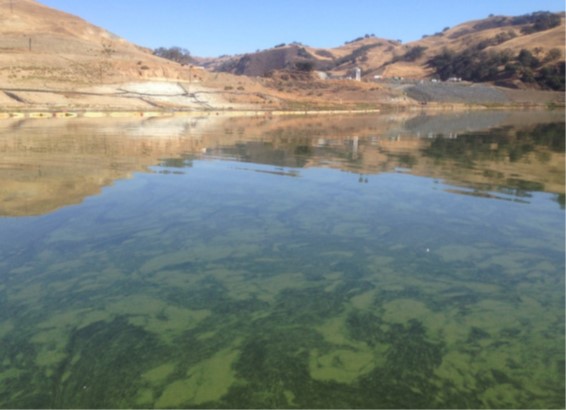
Calaveras Reservoir with blue-green algae on surface.
HOW CAN I REDUCE POTENTIAL EXPOSURE TO ALGAL TOXINS?
Recreational Water:
People can reduce potential exposure to algal toxins by not swimming in waters with high levels of algae (i.e., green water) and not allowing pets to swim or drink water that shows signs of algal growth. Lake Merced is the only recreational lake owned by the SFPUC. Pay attention to advisory signage that is posted around Lake Merced. In addition, please visit the State of California algal toxin advisory program for recreational waters which posts affected water bodies (including Lake Merced).
Drinking Water:
Drinking water that is delivered by utilities rarely contains algal toxins as proper treatment will effectively remove algal toxins. SFPUC has high quality water sources and state-of-the-art treatment systems. SFPUC has never detected algal toxins in treated drinking water.
HOW ARE FEDERAL AND STATE REGULATORS RESPONDING TO ALGAL TOXINS IN DRINKING WATER?
Currently, there are no federal or state standards to regulate algal toxins in public water systems, however, in 2015, the United States Environmental Protection Agency (USEPA) issued drinking water health advisories (HAs) for two algal toxins, microcystins and cylindrospermopsin. The HA for microcystins is 0.3 μg/L for children and 1.6 μg/L for others and the HA for cylindrospermopsin is 0.7 μg/L for children and 3.0 μg/L for others. These USEPA advisories apply to fully treated drinking water, not raw reservoir water that has not been treated.
USEPA’s Unregulated Contaminant Monitoring Rule 4 (UCMR 4) requires utilities to monitor treated drinking water for algal toxins between 2018 to 2020. SFPUC completed the required UCMR 4 monitoring in 2018 and no algal toxins were detected.
ALGAL TOXIN MONITORING BY SFPUC
SFPUC regularly monitors levels of blue-green algae in source waters and takes precautions to minimize the effect of algal blooms on the drinking water supply. Utilities can control algal toxins in drinking water by various methods, such as, withdraw water from source reservoir at depths with little to no algae/toxins, do not use reservoir with bloom and draw water from another source, apply treatments to reservoir to control algal blooms, treat water with an oxidizing disinfectant (ozone or chlorine), or remove with activated carbon.
In addition to UCMR 4 monitoring, SFPUC has conducted voluntary, proactive algal toxin monitoring at reservoirs and treatment plants since 2007 and on a routine basis since 2015. Monitoring of SFPUC’s pristine Hetch Hetchy Reservoir in Yosemite National Park has shown an absence of both blue-green algae and algal toxins. For SFPUC’s West Bay reservoirs, SFPUC is conducting baseline monitoring to assess the need, if any, for routine algal toxin monitoring. For SFPUC’s East Bay reservoirs, SFPUC developed a monitoring and response plan for the reservoirs and treatment plant which includes biweekly to weekly monitoring of microcystins and quarterly monitoring of cylindrospermopsin, anatoxin-a, and saxitoxin. The only toxin that has been detected in SFPUC’s local reservoirs is microcystins. Microcystins has been detected up to 23 μg/L near the surface of Calaveras Reservoir in the East Bay, and generally peaks during fall months. Microcystins is typically not detected in the deeper waters that are used by the treatment plants, and microcystins has never been detected in treated drinking water. The SFPUC added powdered activated carbon (PAC) in 2018 and is expected to add ozone treatment in 2025 for East Bay reservoir supplies. Algae and algal toxins are not found in groundwater.
A summary of algal toxin monitoring by SFPUC is provided in SFPUC’s Contaminants of Emerging Concern (CEC) 2022 Final Report.
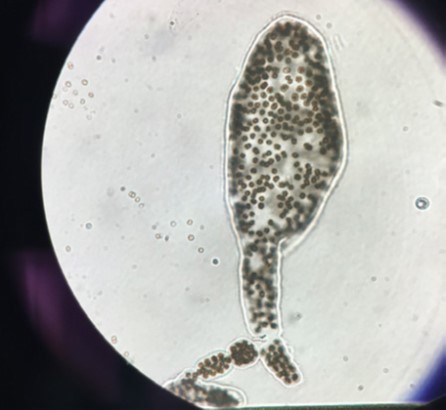
Blue-green algae Microcystis from Calaveras Reservoir, as viewed by microscope (A. Irons, SFPUC, 2015)
CONSUMER RESOURCES: REGULATION/HEALTH
- SFPUC: Annual Water Quality Report
- SFPUC: Webpage on Contaminants of Emerging Concern
- SFPUC: 2022 Final Report, Contaminants of Emerging Concern
- State Water Resources Control Board (SWRCB): Cyanobacteria and Cyanotoxins in Drinking Water
- California Water Quality Monitoring Council: HAB Incidents Report Map
- SWRCB: Freshwater and Estuarine Harmful Algal Bloom (FHAB) Program
- U.S. Environmental Protection Agency: Managing Cyanotoxins in Public Drinking Water Systems
- CDC: Harmful Algal Bloom – Associated Illness
We’re Committed to Quality: Our highly trained chemists, technicians and inspectors consistently monitor the water we serve—throughout our system, every day of the year. For additional information and materials, please visit sfwater.org/quality. For questions about YOUR water, please call 311. You can also visit 311.org.
March 2026