
Naegleria Fowleri and Drinking Water
Quick Summary
There is a very rare disease called PAM that can be fatal. It is caused by a tiny organism known as an amoeba. People usually get this disease from swimming in warm water contaminated with that amoeba and water goes up their nose. People in California almost never catch this disease. Our drinking water is safe because it comes from clean, natural sources. We also treat the water before putting it into our pipelines. This webpage gives information about avoiding the disease.
What is Naegleria Fowleri and where is it found?
N. fowleri is the disease-causing agent for Primary Amebic Meningoencephalitis (PAM), which is a very rare but fatal disease. It is a ubiquitous amoeba (single-celled organism) that is found in freshwater such as lakes, rivers, and hot springs. The organism has also been found in warm water discharges from industrial processes, swimming pools with minimal or no chlorination, and water heaters. N. fowleri grows favorably at warmer temperatures of up to 115°F and can survive for short periods in higher temperatures.
How is one infected with Naegleria Fowleri?
Exposure to N. fowleri is common since it is found in the United States in warm freshwater sources; however, infection with N. fowleri is extremely rare. You can only become infected when water contaminated with N. fowleri enters the nasal passage. Activities that can expose one to N. fowleri are diving or swimming in warm freshwater recreational sources such as lakes, ponds, rivers, and hot springs or poorly maintained swimming pools that are inadequately chlorinated. Additional exposures, though rare, have occurred during sinus rinsing for health or religious practices.
How can I reduce potential exposure to Naegleria Fowleri from tap water?
Although it is very rare for Naegleria fowleri to grow in disinfected water supplied by water utilities, there may be conditions in the premise plumbing of homes or buildings which can support N. fowleri growth.
There have been few rare, documented cases of Naegleria fowleri associated with activities involving cleansing of the nose and sinuses for ritual or health practices or submerging the head in water. Nasal rinsing devices such as the “Neti Pot” and others should be properly used to reduce the risk of infection.
The CDC suggests implementing one of the following practices when sinus rinsing:
- Use water boiled for 1 minute and then left to cool,
- Use a filter that reads “NSF 53” or” NSF 58” or a filter with a pore size of 1 micron or smaller, or
- Use distilled or sterile water
For more detailed instructions, please see guidance from the Centers for Disease Control
What are the risks of becoming infected with Naegleria Fowleri?
Infection with N. fowleri occurs once the amoeba enters the nasal passage and eventually reaches the central nervous system resulting in PAM. The incubation period for N. fowleri is 1-8 days after infection with symptoms including intense headaches, fever, chills, seizures, and confusion. Once someone is infected with PAM, it is very rare that they survive.
Between 1962 and 2024, there have been a total of 167 reported PAM cases in the United States, with an average of 2.7 cases per year. The last reported case in California was in 2021 when a child was infected while swimming in a lake. There has been a total of 10 cases to date for PAM in California since 1962.
Additional information regarding the last California case can be found here: apnews.com/article/lifestyle-health-california-e1458c332a82e7615753bb534825e116
How are Federal and State regulators responding to Naegleria Fowleri in drinking water?
Currently, there are no federal or California standards to regulate N. fowleri in public water systems. However, USEPA has included N. fowleri on its Contaminant Candidate List 5 (CCL 5) for Microbial Contaminants (November 14, 2022), which is a list that USEPA has compiled for possible regulatory actions in the future.
Naegleria Fowleri Risk of Infection in SFPUC Drinking Water
The potential for occurrence of N. fowleri in SFPUC drinking water is very low due to the use of multiple barriers: watershed protection, filtration of local supplies, multiple disinfectants, cross-connection and backflow control, sanitary practices during main breaks and construction, etc. However, the amoeba is considered a high priority due to the health significance in general and recent high-profile cases.
The SFPUC proactively addresses emerging water quality concerns with participation in national research projects, when identified.
To receive a copy of the 2025 Contaminants of Emerging Concern Report, please contact us at info@sfwater.org.
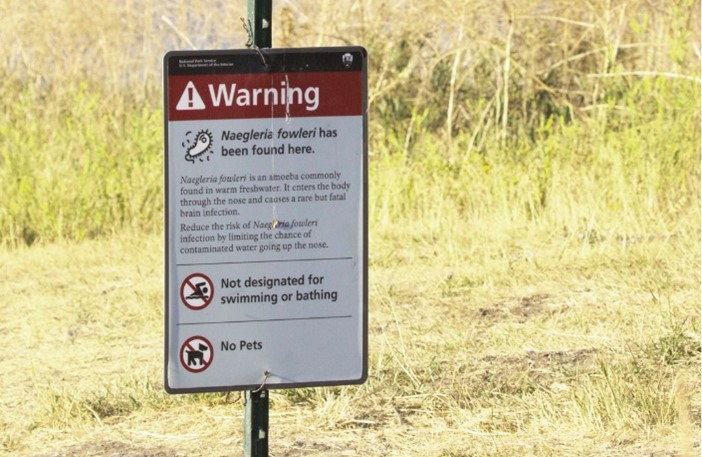
Warning sign of N. fowleri.
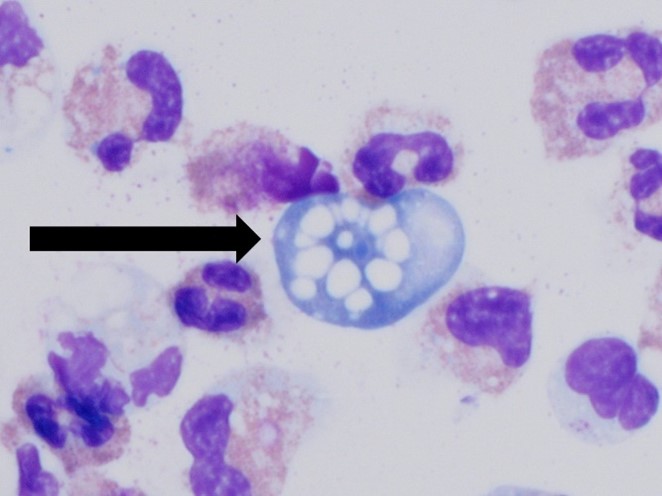
N. fowleri, as viewed by microscope. (U.S. Center for Disease Control).
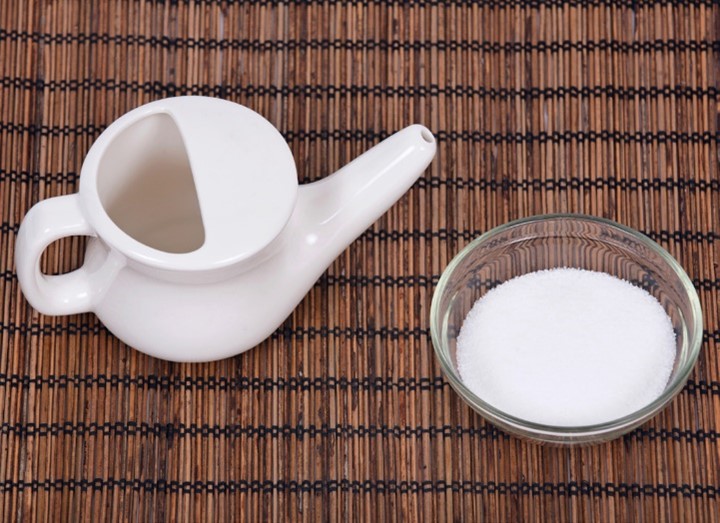
Neti pot.
Consumer Resources: Regulation/Health
U,S, Environmental Protection Agency: Contaminant Candidate List 5 Microbial Contaminants
Centers for Disease Control: Naegleria fowleri and Public Water Systems
Centers for Disease Control: Naegleria fowleri Infections
American Water Works Association: Article on Naegleria fowleri
Naegleria fowleri: Pathogenesis, Diagnosis and Treatment Options
We’re Committed to Quality
Our highly trained chemists, technicians and inspectors consistently monitor the water we serve—throughout our system, every day of the year. For additional information and materials, please visit sfpuc.gov/waterquality.
For questions about YOUR water, please call 311. You can also visit sf311.org.
December 2025