

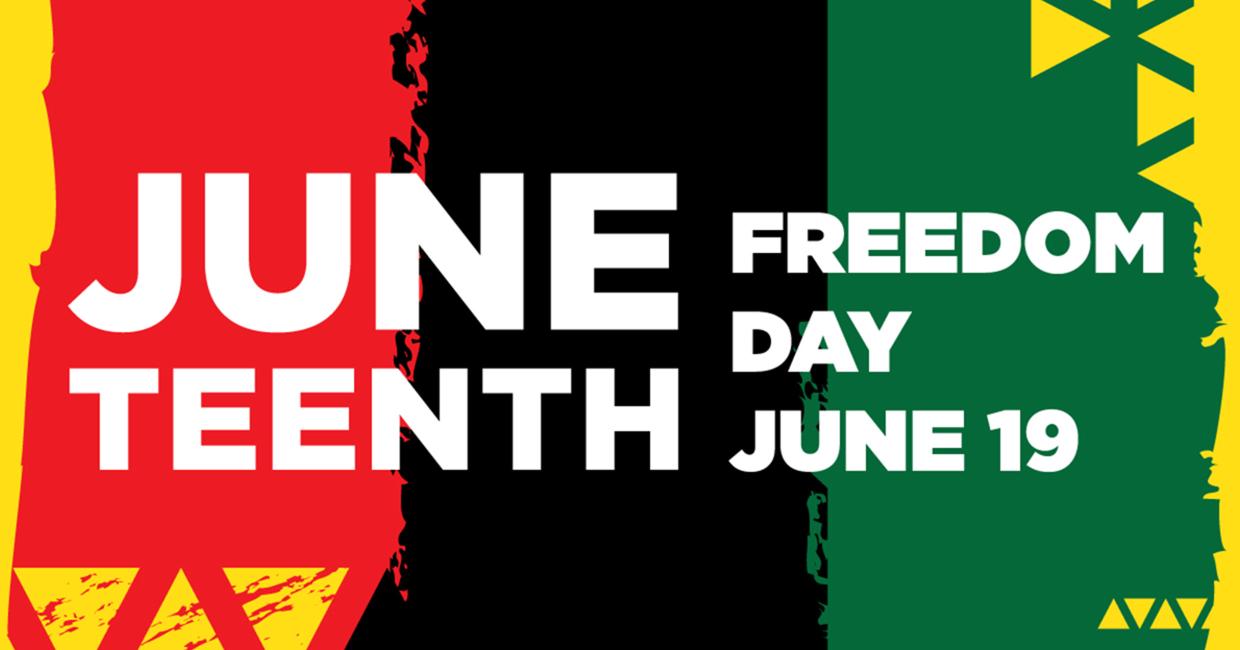
Juneteenth commemorates the day (June 19, 1865) when federal troops arrived in Texas to enforce the Emancipation Proclamation, declaring enslaved people in Confederate states to be legally free. This occurred more than two years after the order was issued by President Abraham Lincoln. Although it wasn’t designated a federal holiday until 2021, Juneteenth has been long celebrated by Black communities and now represents the larger importance of Black history and resilience.
Here's a Q&A with Marco Barker, the San Francisco Public Utilities Commission's (SFPUC) Chief Diversity, Equity, and Inclusion Officer (CDEIO), on why this holiday matters and how you can participate.
Q: What does Juneteenth mean to you?
As someone who grew up in the American South where the legacies of slavery and resilience are deeply rooted in its history, Juneteenth has personal significance. It reminds me how access and progress are not experienced equally—even in the face of laws passed or policy. We (all of us) have a responsibility to ensure opportunities, access, and ultimately justice, are realized in writing and in practice.

The second reminder is the power of community and education. I think learning more about Black history, which is also American history, and coming together in remembrance and celebration can both raise awareness and connect people across differences. I absolutely believe this.
Q: Is Juneteenth only meaningful to Black history or Black employees?
I often get this question—more than you think. Juneteenth is a significant moment in African American history, but there are lessons for everyone. Its history and today’s observances provide an opportunity for all of us to learn, reflect, and better understand how our individual histories and experiences and our collective actions impact the very communities we serve.
I should also add Juneteenth is distinct from other observances. It acknowledges the pain of slavery and the joy of freedom in a way that is not the primary focus of MLK Day or Black History Month.
Q: Why is Juneteenth relevant to SFPUC and public service?
Two things drew me to working at the SFPUC: a call to public service that provides critical services that sustain communities and the commitment to racial equity and creating a more inclusive SFPUC for all. Juneteenth, again, serves as a reminder of the role of public institutions in being a public good that advances access and fairness and reaches communities equitably. It is a moment to stop and reflect on how our policies and decisions are helping to remove barriers and contributing to the goals of a healthier and thriving San Francisco. As public servants, we have the privilege to help create systems that work better for everyone and to do that work together.
Q: How can employees join in the holiday?
You can read more about Juneteenth at The National Museum of African American History and Culture's website. The San Francisco Public Library also offers a curated list of recommended books. Other ways to participate include joining educational discussions, supporting local Black-owned businesses, volunteering with community organizations, or attending a Juneteenth event. Celebrations will be held throughout San Francisco including a parade on Saturday, June 20.